 NeuroNest
Is OT only for children with a diagnosis?
No. Many children come for handwriting, coordination or attention difficulties without any diagnosis.
About this therapy
Occupational therapy (OT) helps children with the everyday things they need to do: play, write, dress, eat, and cope at school. It works on fine motor skills, hand-eye coordination, attention, and how a child processes what they see, hear and feel.
OT often helps children with autism, ADHD or developmental delay, and children who simply find handwriting or coordination hard.
In a session
Every plan is built around the person in front of us, but most sessions include these.
Threading, cutting, drawing and building for fine motor skills.
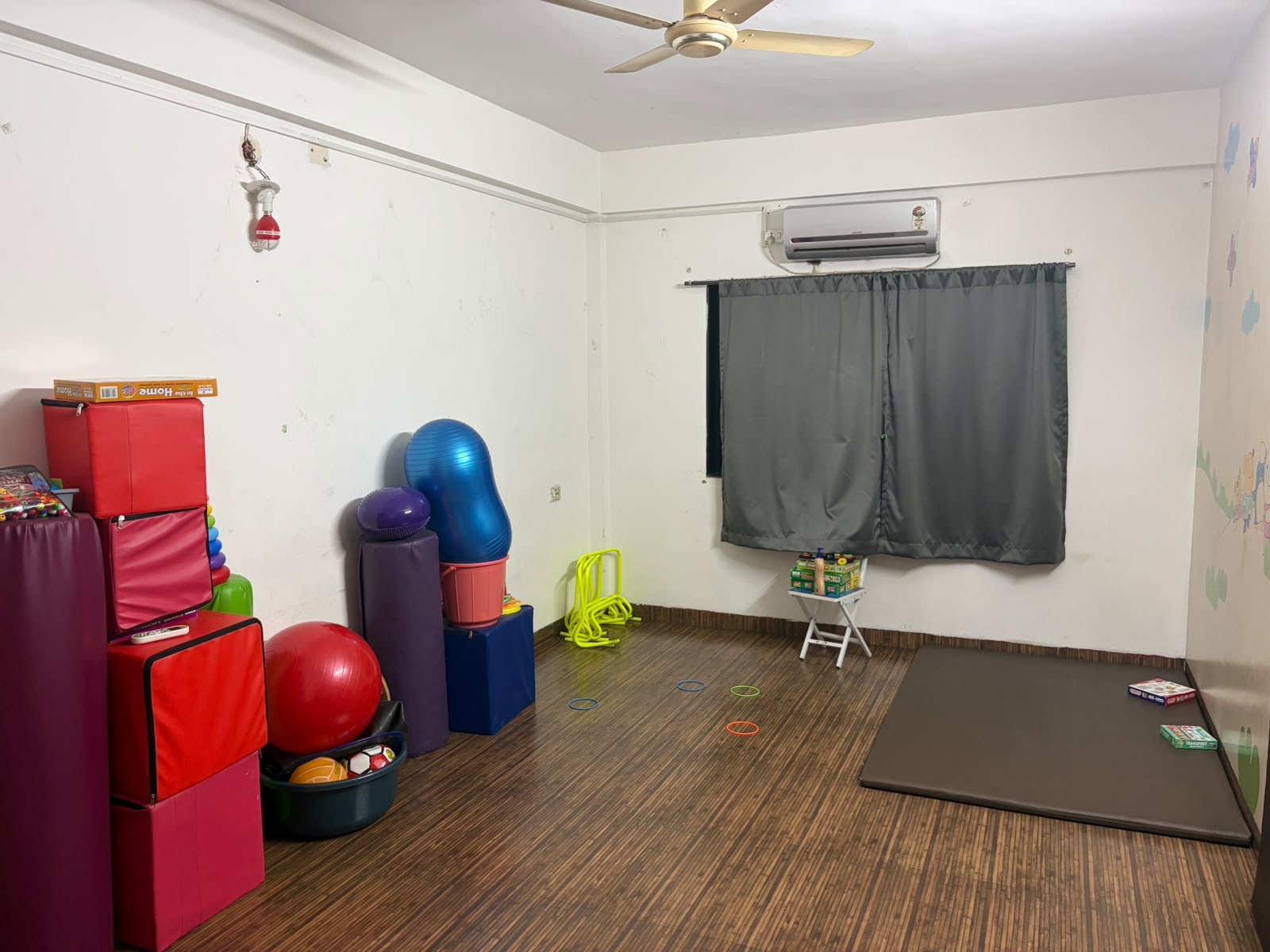
Activities for strength and coordination.
Activities that help your child feel calm and focused.
Targets linked to what matters at home and school.
Families ask
No. Many children come for handwriting, coordination or attention difficulties without any diagnosis.
OT focuses on everyday tasks and fine motor skills. Physiotherapy focuses on bigger movements like walking and balance.
Yes. Many goals relate directly to school: handwriting, sitting and attending, and organising tasks.
Under the same roof
Tell us what you have noticed. We will suggest where to start.